

Choose your week
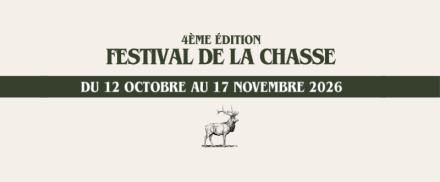
The Art of Fine Game
October 12–18, 2026
For more than a century, the red façade of Le Chambard has watched over Kaysersberg, between the vineyards and the Vosges mountains. This is the landscape Chef Olivier Nasti has walked for fifteen years, rifle in hand, bringing back its noblest cuts. The Hunting Festival opens with this House game, served at La Table as well as at La Winstub, alongside Bruno Doucet and Hugo Souchet.
"Oreiller de la Belle Aurore" Evening
Monday 12 and Tuesday 13 October
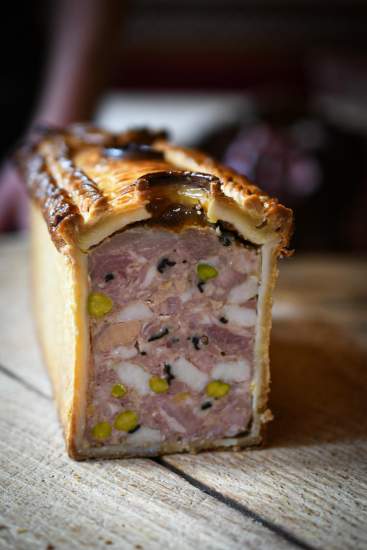
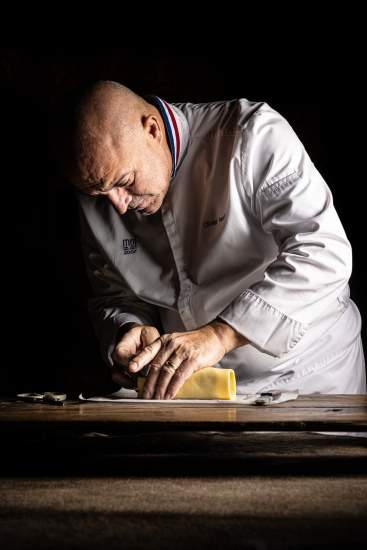
Born in the 19th century, the Oreiller de la Belle Aurore takes its name from Claudine-Aurore Récamier, mother of the gastronome Brillat-Savarin. Beneath its golden crust, meats, game, foie gras and truffle come together: a masterwork that takes days to prepare and ranks among the great classics of French cuisine.
For two evenings, La Winstub with its wood panelling, close-set tables and the soul of an Alsatian inn pays tribute to this dish with Bruno Doucet, chef-owner of La Régalade in Paris, known for honest cooking deeply rooted in its terroir.

"Spit-Roasted Wild Boar" Evening
Wednesday 14 and Thursday 15 October
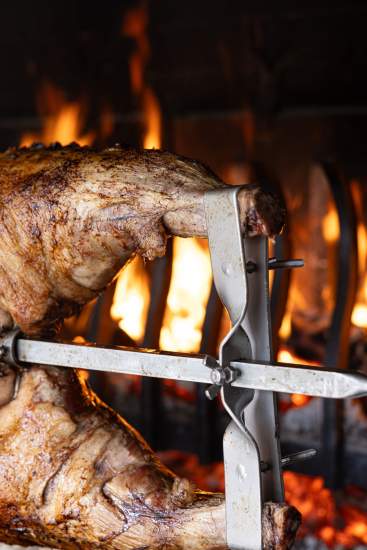
Before the stove, there was fire and wild boar turning over the embers, mankind's oldest feast.
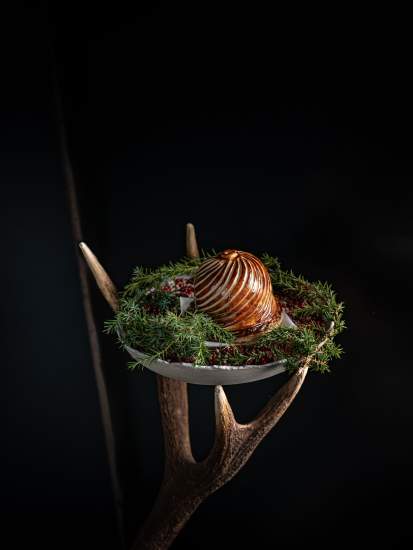
Chef Olivier Nasti and his team return to this founding gesture: a boar roasted for hours, its skin lacquered by the flame, served with roigebrageldi, the "marcaire" potatoes that Vosges farmhouses have cooked for generations. A simple, generous evening, true to the Alsace this House stands for.
"The Art of Fine Game" Evening
Wednesday 14 October
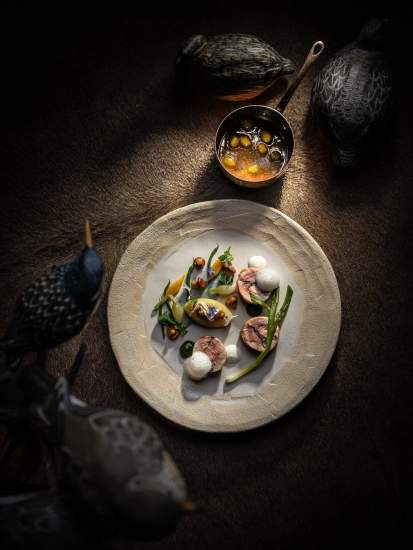
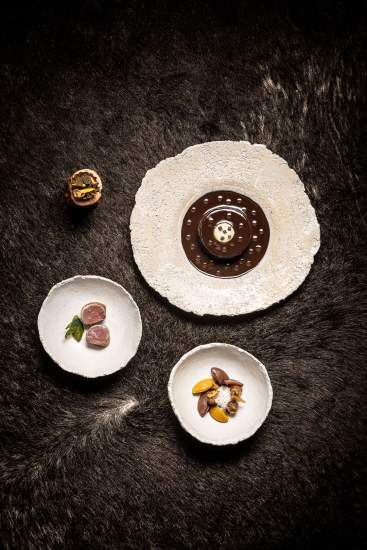
La Table d'Olivier Nasti opens the Festival by welcoming Chef Hugo Souchet. Trained at Les Prés d'Eugénie, Michel Guérard's three-starred house, he honed a precise, restrained, jeweller's approach to cooking a direct heir to the great French tradition.
Here, it finds a natural echo: in the House's understated, wood-panelled dining room, the cooking of Olivier Nasti, Meilleur Ouvrier de France, is shaped by the same exacting standards and the contrasts of Alsace. A dialogue in step with the season, between vineyard and forest.
Discover the guests joining us during the week of 12–18 October
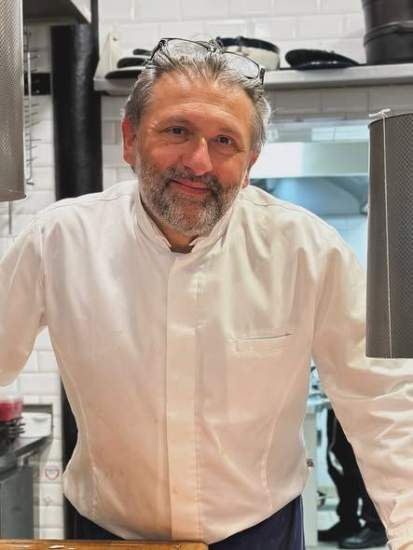
Bruno Doucet’s cuisine is generous, sincere and deeply rooted in the French terroir. As the chef-owner of the La Régalade restaurants in Paris, he has established himself over the years as one of the leading advocates of traditional gastronomy, guided by authentic flavours and a profound respect for ingredients.
Throughout his restaurants, he creates clear, welcoming cuisine in which technique takes a back seat to the natural expression of flavour. His work embodies a particular vision of French cooking: approachable in spirit, exacting in its execution and always driven by generosity and pleasure.
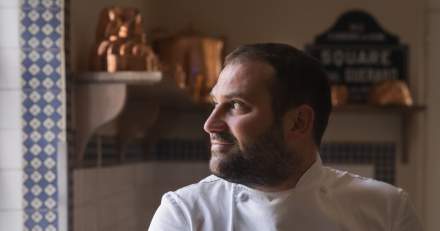
Hugo Souchet works within the prestigious world of Les Prés d’Eugénie, the iconic establishment founded by Michel Guérard.
In this environment of excellence, he refines a delicate and precise style of cuisine that remains faithful to the heritage of great French gastronomy. Trained in a house where refinement is combined with elegance of execution, he represents a new generation of chefs committed to passing on knowledge, maintaining rigorous standards and cultivating subtlety.
His career reflects a culinary sensitivity shaped by exacting standards and respect for the great traditions of French cuisine.